
What to Check Before Customizing a Medical Pendant
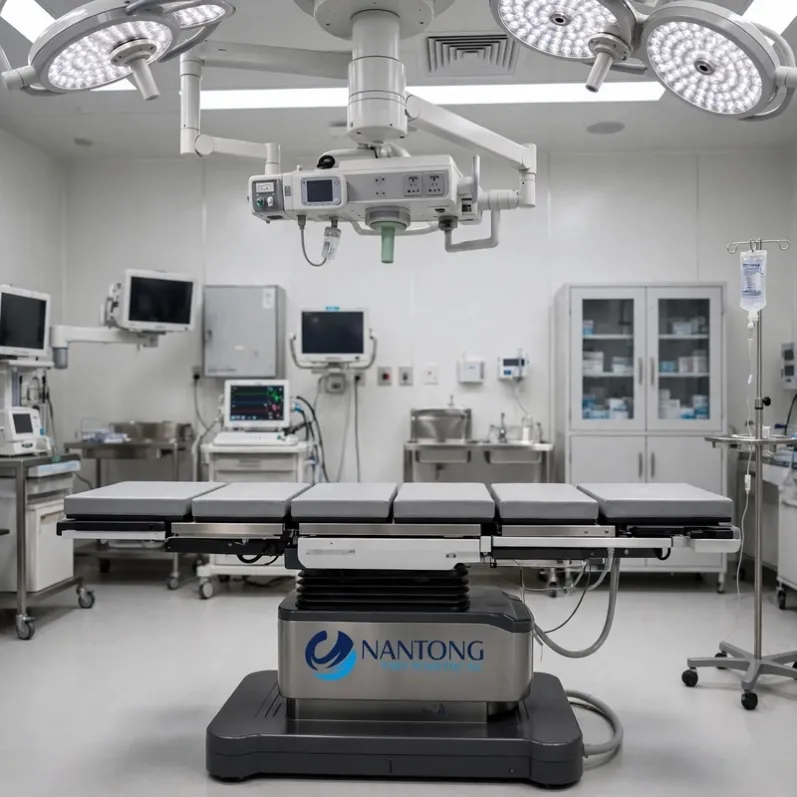
A medical pendant is rarely bought off the shelf. An operating room has its own layout, its own equipment, and its own way of working — and the pendant has to fit all three. Customizing one is not a luxury. It is how the pendant earns its place in the room. But before a hospital orders a custom pendant, there are several things worth checking first.
Start with what will hang on it. An anesthesia pendant carries different equipment from an endoscopic pendant, and a pendant bridge serves a different setup again. List everything the pendant must hold — the anesthesia machine, monitors, the endoscope tower, infusion pumps — and check the weight and size of each. A pendant that cannot carry its load safely is not a bargain at any price.
Then look at reach and movement. How far must the arm travel to serve the table, and how much rotation does the team need? A single-arm pendant suits one layout; a double arm or a bridge suits another. The ceiling height matters too: the pendant must reach the working height the team needs without hanging too low or stretching too far.
Next, check the services the pendant must deliver. Which medical gas outlets does the room need, and how many? What power sockets, and where should they sit so cables do not cross the sterile field? These are small decisions on paper, but they decide whether the pendant helps the team or gets in its way.
The building itself is the fourth check. What can the ceiling carry, and how will the pendant be fixed to it? Installation is part of the purchase, not an afterthought — a pendant that is well made but poorly installed is a risk, not an asset. Confirm who installs it and what the ceiling structure requires before the order is placed.
Finally, think about the years after installation. Can the team move the arm smoothly and lock it where they want it? Are the surfaces easy to clean? When a part wears out, is service available and are spare parts within reach? A pendant is a long-term piece of equipment. The right choice is the one that still works well, and is still easy to maintain, years later.
Customizing a pendant means answering these questions in order: what it carries, how far it reaches, what services it delivers, what the building can hold, and how it will be looked after. Get those right, and the pendant does what it is meant to do — put everything the surgical team needs exactly where they need it, and keep it there.