
Medical Ceiling Pendant Buying Guide: 14 FAQs Before Ordering
edical pendant supplier, surgical pendant for hospital, customized medical pendant
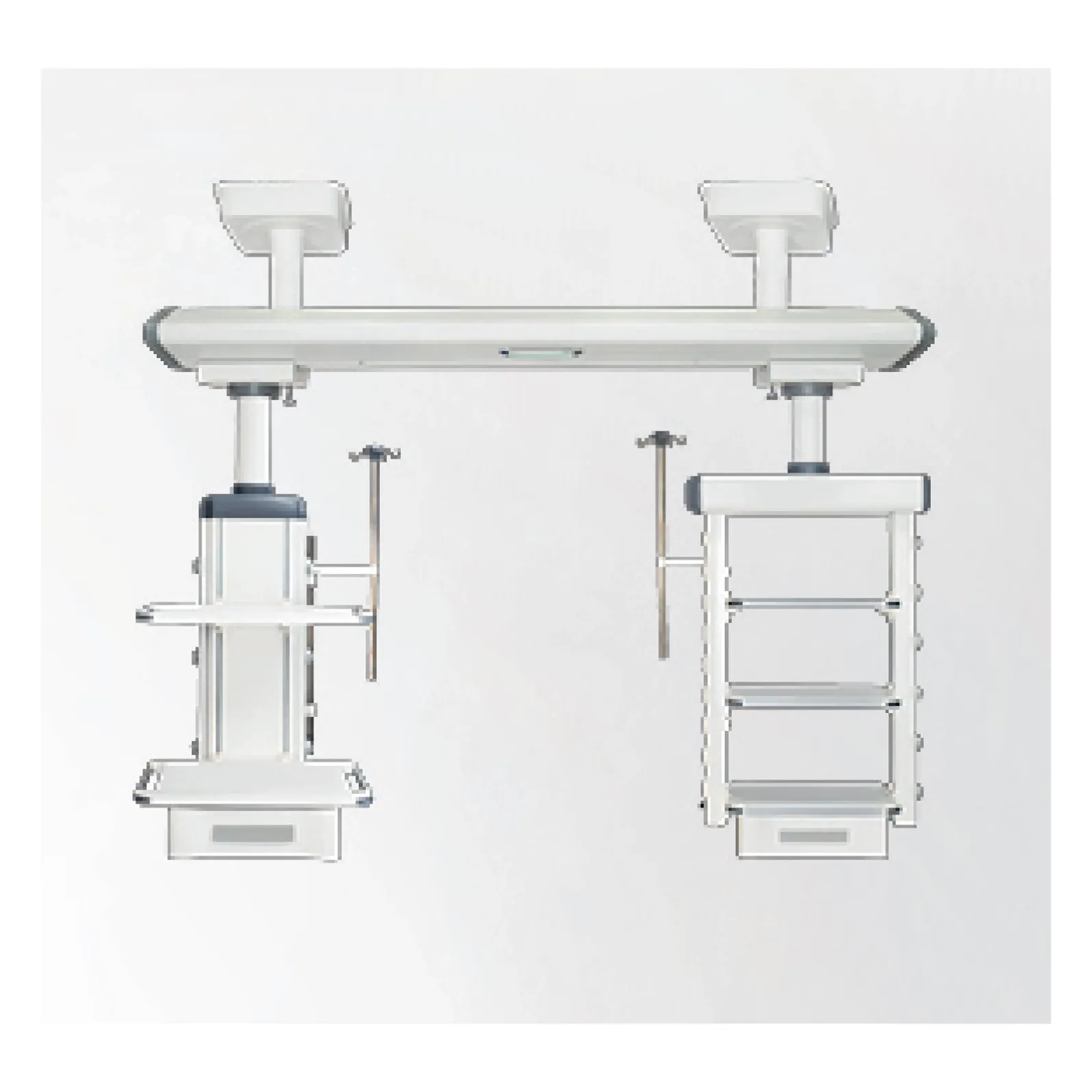
Medical Ceiling Pendant Buying Guide: Frequently Asked Questions Before Ordering
Choosing the right medical ceiling pendant is an important part of operating room and intensive care unit planning. A properly configured pendant provides convenient access to medical gases, electrical outlets, data connections, and equipment support while helping healthcare professionals organize their working space.
At Nantong Yikun Medical, we offer different medical pendant configurations for surgical, anesthesia, and critical care applications.
Before requesting a quotation, here are 14 important questions every hospital purchaser, medical equipment distributor, or hospital project contractor should consider.
1. What is a medical ceiling pendant used for?
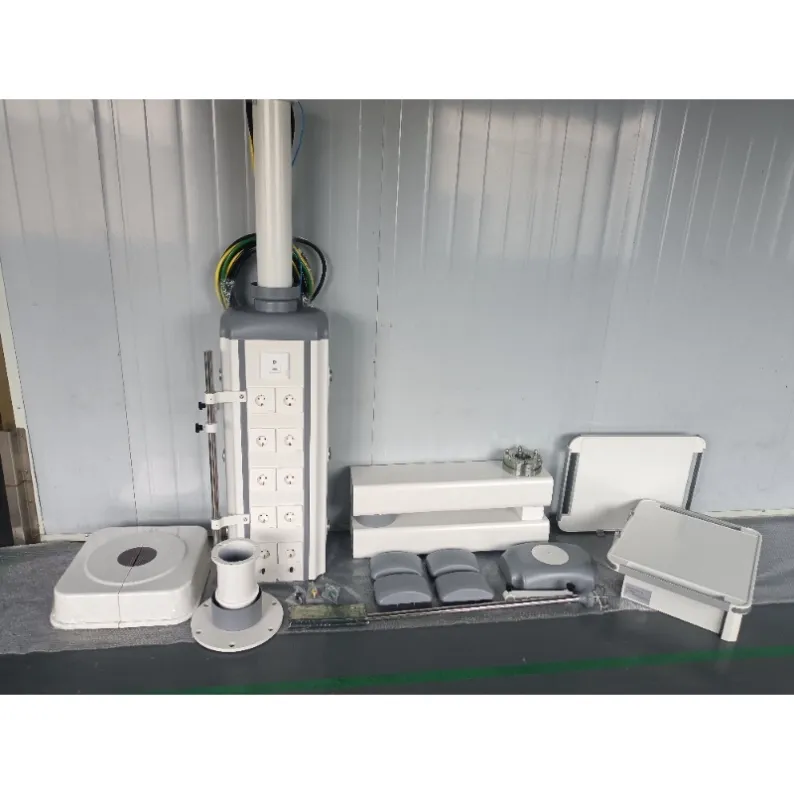
A medical ceiling pendant, also known as a surgical pendant or medical supply pendant, is a ceiling-mounted equipment support system commonly installed in operating rooms, ICUs, and other clinical areas.
Depending on its configuration, it can provide:
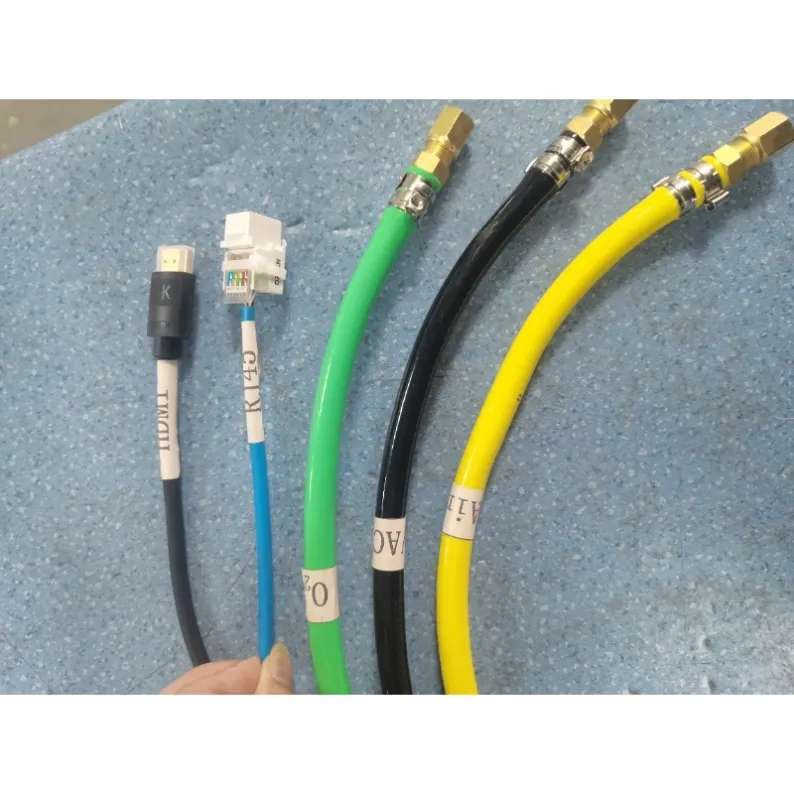
- Medical gas outlets for oxygen, medical air, and vacuum
- Electrical sockets for medical equipment
- Network and video connections
- Support for infusion accessories and other equipment
- Flexible equipment positioning around the patient
The actual functions depend on the selected model and configuration.
2. What types of medical pendants are available?
Nantong Yikun Medical offers several pendant configurations, including:
FNDT2 – Double-Arm Surgical Pendant
Designed for operating room applications, this configuration includes medical gas outlets, electrical sockets, data connections, and an infusion stand.
FNEMT2 – Electric Double-Arm Medical Pendant
This model features electric vertical lifting and provides additional medical gas connections, including nitrous oxide and an anesthetic gas evacuation connection.
FNEMT – Electric Single-Arm Anesthesia Pendant
Designed for anesthesia-related equipment support, this configuration includes an electric arm system, anesthesia accessory hooks, medical gas connections, and electrical interfaces.
The appropriate model depends on the clinical department, equipment layout, and installation requirements.
3. How many medical gas outlets do I need?
The number and type of medical gas outlets should be determined according to the equipment used in the room.
For example, one available FNDT2 surgical pendant configuration includes:
- 2 oxygen outlets (O₂)
- 2 medical air outlets
- 2 vacuum suction outlets
An FNEMT2 electric pendant configuration additionally includes:
- 1 nitrous oxide outlet (N₂O)
- 1 jet-type anesthetic gas evacuation connection
Before ordering, please provide the required gas types and outlet quantities so we can review the appropriate configuration.
4. Which medical gas outlet standards are available?
Medical gas outlet standards vary by country and hospital installation.
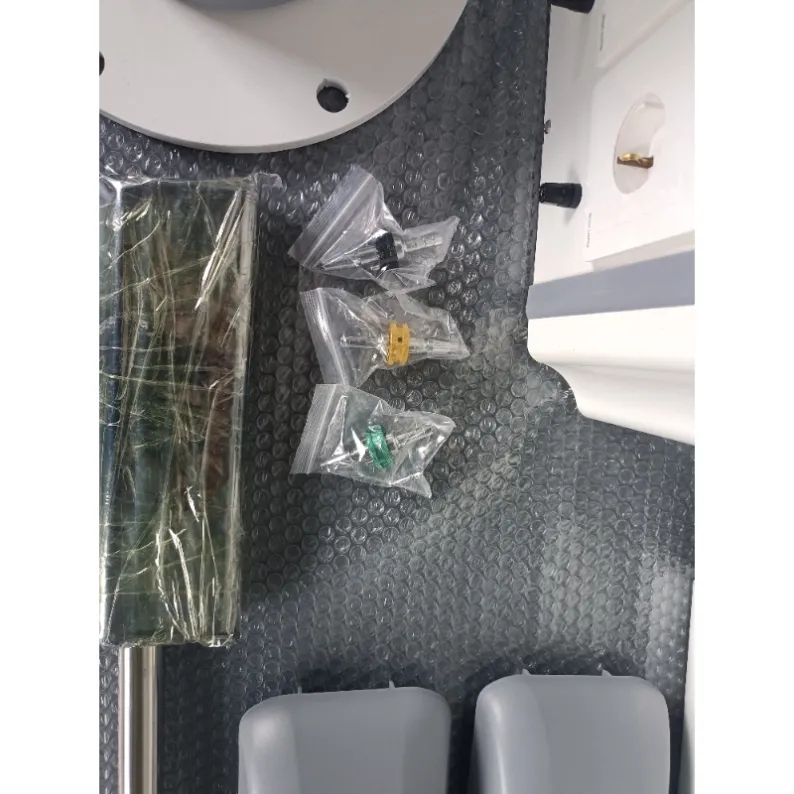
Our example configurations use Japanese-standard medical gas outlets.
If your project requires a different standard, please specify the required outlet type and provide technical details or photographs of the existing gas connections.
We can then check the compatibility and availability of the requested configuration.
It is important to confirm the gas terminal standard before production to avoid installation or connection problems.
5. How many electrical sockets should a medical pendant have?
The number of electrical sockets depends on how many medical devices will be connected.
The sample FNDT2, FNEMT2, and FNEMT configurations include 10 European-style electrical sockets.
Before purchasing, hospitals should confirm:
- Required socket quantity
- Plug and socket standard
- Supply voltage and frequency
- Electrical loading requirements
- Grounding and electrical safety requirements
Electrical specifications must match the destination country's regulations and the hospital's electrical infrastructure.
6. Can I add network ports and HDMI connections?
Yes, network and HDMI interfaces are included in the example configurations.
Each listed configuration contains:
- 1 network interface
- 1 HDMI interface
If your operating room requires additional network connections or other communication interfaces, please specify these requirements when requesting a quotation. Availability must be confirmed for the selected model.
7. What is the difference between a surgical pendant and an anesthesia pendant?
A surgical pendant is generally used to organize and support equipment, medical gas connections, and electrical interfaces around the surgical working area.
An anesthesia pendant is configured around the requirements of the anesthesia workstation and related accessories.
Depending on the clinical setup, anesthesia pendants may require additional connections such as nitrous oxide and anesthetic gas scavenging.
For example, our FNEMT configuration is designed as an electric single-arm anesthesia pendant with accessory hooks.
The final configuration should be reviewed against the hospital's anesthesia equipment and medical gas system.
8. Should I choose a manual or electric medical pendant?
The choice depends on the working environment and positioning requirements.
A pendant with electric vertical lifting can help operators adjust the height of the equipment support assembly.
Our FNEMT2 electric double-arm pendant features a vertical lifting function.
Before selecting an electric pendant, confirm the required lifting range, equipment load, available ceiling space, and electrical installation requirements.
9. What load capacity should a medical pendant have?
Load capacity is one of the most important technical factors when selecting a ceiling pendant.
The required capacity depends on the total weight of the equipment and accessories that the pendant will support.
Before ordering, provide the expected equipment load and ask for the manufacturer's confirmed rated load capacity.
Do not exceed the rated load or install additional equipment without checking the structural and mechanical requirements.
10. What ceiling information is required before installation?
Ceiling-mounted medical pendants require suitable structural support.
Before ordering, hospitals should provide information about:
- Ceiling height and available installation space
- Structural ceiling type
- Available mounting and reinforcement arrangement
- Required arm movement and clearance
- Medical gas and electrical connection locations
The mounting structure and installation method should be reviewed by qualified professionals before installation.
11. Can the medical pendant configuration be customized?
Medical pendant configurations can be reviewed according to the requirements of different hospital projects.
Common customization requests include changes to medical gas outlet quantities, electrical socket types, network interfaces, accessory arrangements, and equipment support configurations.
Please send your required configuration or project drawing to Nantong Yikun Medical.
Our team can review the request and confirm the available options before preparing a quotation.
12. What information should I provide to receive an accurate quotation?
For a more accurate medical pendant quotation, please provide:
- Pendant type and required quantity
- Clinical application, such as operating room or anesthesia workstation
- Medical gas types, quantities, and outlet standards
- Electrical socket types and quantities
- Required network and HDMI interfaces
- Required accessories
- Equipment load requirements
- Ceiling height and installation drawings
- Destination country and delivery requirements
Detailed requirements help avoid incorrect configurations and unnecessary modifications after ordering.
13. What certificates and technical documents should I check before purchasing?
Before placing an order, buyers should confirm the exact documents available for the selected medical pendant model.
Depending on the destination country and project requirements, these may include applicable conformity documents, manufacturer declarations, test reports, technical specifications, installation instructions, and medical gas interface information.
The availability and applicability of each document should be confirmed before purchasing, especially for projects requiring local medical device registration or tender approval.
14. What should I confirm about installation, warranty, and after-sales support?
Before confirming an order, buyers should request written information about installation responsibilities, technical support, warranty duration, spare parts availability, and any exclusions.
For ceiling-mounted medical equipment, proper installation and commissioning are particularly important.
Hospitals should also confirm who will carry out the on-site installation and who will be responsible for servicing the system after delivery.
Request a Customized Medical Pendant Quotation
Every operating room has different requirements for medical gases, electrical connections, equipment support, and room layout.
Nantong Yikun Medical can help review your pendant configuration requirements and provide a quotation based on the selected model and available options.
Planning an operating room or upgrading your existing equipment?
Contact us with your medical gas requirements, ceiling drawings, and equipment list.
Nantong Yikun Medical
Contact: Muriel
WhatsApp: +86 18001481287